
· 6 min read
The 4-7-8 reset every athlete should know.
A two-minute breath protocol you can run in the dugout, on the bench, or right before a free throw — backed by the simplest nervous-system science there is.
Adam Donald
June 12, 2026

A two-minute breath protocol you can run in the dugout, on the bench, or right before a free throw — backed by the simplest nervous-system science there is.


.png)

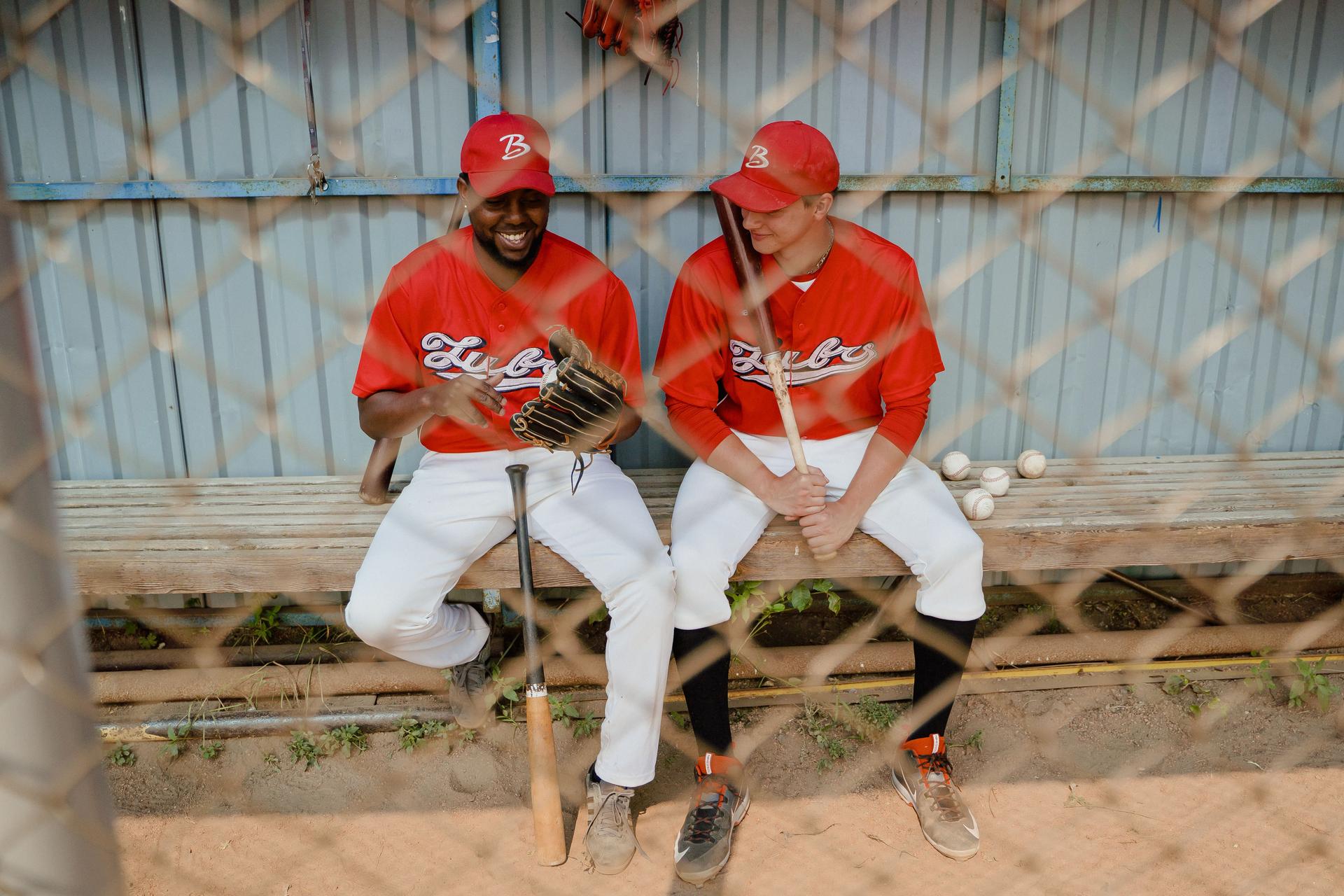
The night before my first college start, I could not sleep. Not because I was nervous in some movie-poster way — but because my body had decided, without asking me, that this was an emergency. My breath was high in my chest. My heart was loud. My head was rehearsing every possible catastrophe in 4K.
A teammate, who would later go on to play eleven years in pro ball, walked over, sat down, and taught me a single breath: in for four, hold for seven, out for eight. He did not call it 4-7-8. He did not call it anything. He just did it with me, three times, and went back to bed.
I slept. The next day I threw seven innings.
I have used a version of that breath every day since — before games, before talks, before hard conversations, before flights. It is the single most reliable mental performance tool I know. Here is exactly how to do it, why it works, and when to use it.
"You cannot think your way out of pressure. But you can breathe your way to a body that knows how to handle it."
A long exhale is the most direct lever you have on your nervous system. It triggers your parasympathetic response — the one that says "we are safe, we can perform" — and tells your sympathetic response — the one yelling "this is an emergency" — to step back. You are not avoiding the pressure. You are giving your body permission to meet it.
The 4-7-8 ratio is not magic. The 8-second exhale is. If 4-7-8 feels long, try 3-5-6. The point is that the out-breath is meaningfully longer than the in-breath.

Before games, before tests, before tough calls, before pitches. After mistakes — especially after mistakes. In the car before walking into the meeting. In the hallway before walking into the room. The protocol does not care where you are. It cares that you do it.
One rep when you remember is better than zero reps when it's perfect. Train it during practice and rehearsal, so by the time you need it, it does not feel like a strange new tool you've never used. It feels like home.
You will hear a lot about mental toughness. About mindset. About "trusting the process." All of it real, none of it useful in the 30 seconds before the at-bat. What is useful is a breath your body already knows. A protocol you can run without thinking. A reset that does not need motivation.
That is the entire D1P bet: build the invisible work — breath, visualization, identity — into a system simple enough that you'll actually do it. Then trust the moment to take care of itself.
One percent of your day can change the way you perform. Train the mind before the moment.

Founder of D1P. Former NCAA baseball player, coach, educator, and curriculum builder. Adam has spent decades studying what helps people perform under pressure — and built D1P to make it daily.

One mental performance tool, one story, and one reset protocol— straight to your inbox. No spam.