

· 6 min read
The 4-7-8 reset every athlete should know.
A two-minute breath protocol you can run in the dugout, on the bench, or right before a free throw — backed by the simplest nervous-system science there is.
Adam Donald
June 12, 2026

Confidence isn't a feeling you wait for. It's a relationship you build through small, repeatable, daily reps with yourself — and it has very little to do with talent or how the last performance went.


.png)

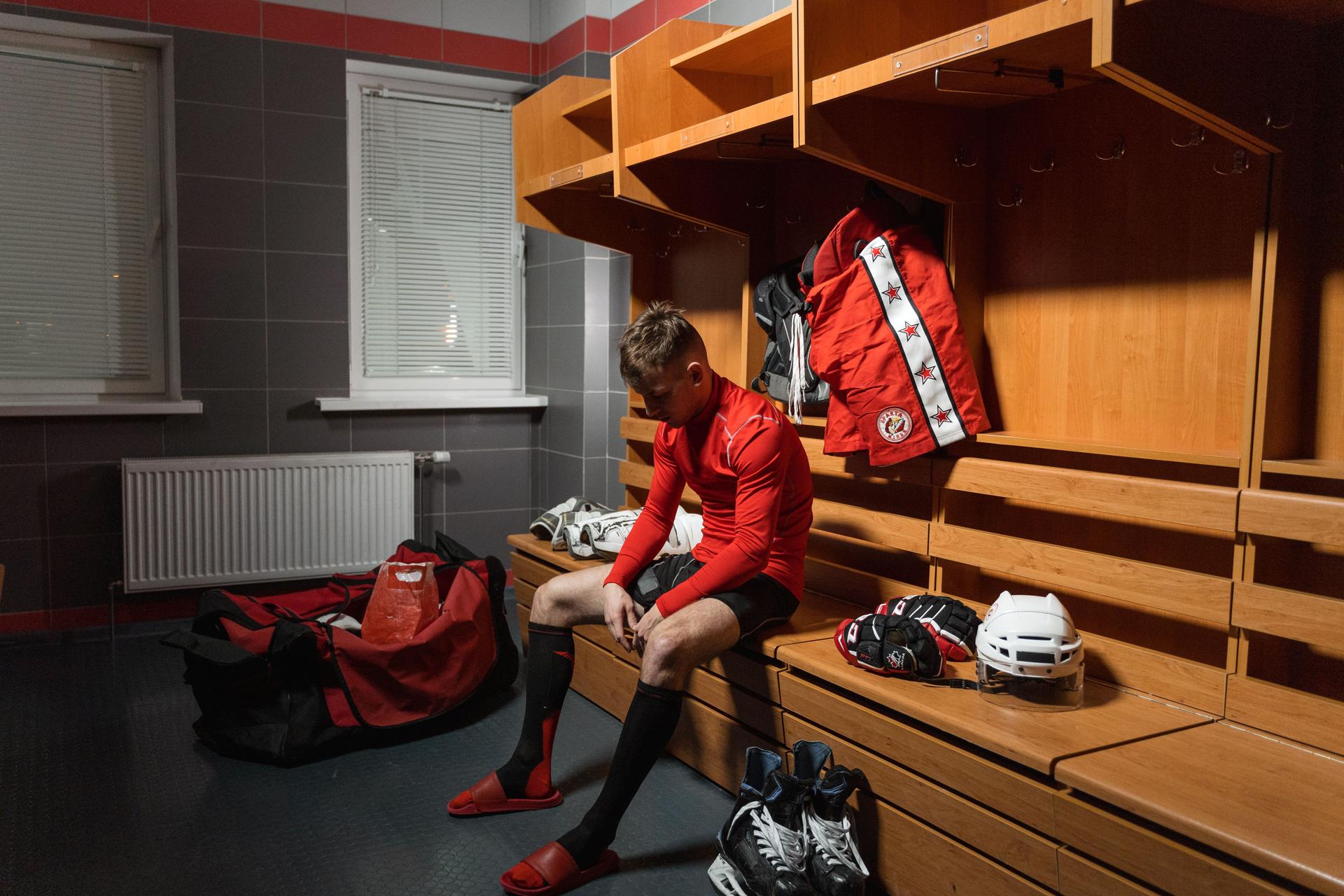
The most dangerous thing I see in young athletes is not a lack of talent. It is not a lack of work ethic. It is a lack of trust — in themselves, in their own preparation, in the person they are becoming.
And the hard truth is: you cannot think your way into self-trust. You cannot read about it, talk about it, or wish it into existence. You build it the same way you build anything real — one day at a time, one kept promise at a time.
"Self-trust is not a feeling. It is a record. And you are the only one who knows if the record is honest."
Most athletes think self-trust means believing you will perform well. It does not. Self-trust means knowing that whatever happens, you have done the work. You have shown up. You have been honest with yourself about the effort you put in.
Confidence is a byproduct of that. It is not the starting point.
The athlete who trusts himself is not the one who guarantees the outcome. He is the one who knows — without flinching — that he prepared as well as he possibly could. That knowledge is the only thing that holds when the moment gets hard.
Self-trust erodes quietly. It does not disappear all at once.
It starts with one skipped rep. One film session you half-watched. One morning you told yourself you would make up for later — and did not. None of it feels significant in the moment. But your body keeps score. Your mind keeps score. And over time, the gap between who you say you are and who you actually are starts to show up — right when you need it least.
The big moment does not build your confidence. It reveals what was already there.
The good news is that the same process that breaks trust also rebuilds it. Small, honest actions. Repeated daily.
You do not need a perfect week. You need one kept promise today. Then another one tomorrow.
Show up to the lift when you do not feel like it. Watch the extra film. Do the breathing work before bed. Tell your coach the truth about where you are. These are not dramatic gestures. They are the quiet deposits that compound into something unshakeable.
One day at a time. That is the only timeline that matters.
There will be a moment — in a game, before a pitch, in the middle of a tough at-bat — when the noise gets loud. When doubt shows up. And in that moment, you will either have a record to stand on, or you will not.
The athlete who has done the work does not silence the doubt by force. He does not fight it. He just knows. He has seen the film. He has been in the gym. He has done the reps. The record speaks louder than the noise.
That is what self-trust actually feels like. Not fearless. Not loud. Just steady.
And steady wins.
One percent of your day can change the way you perform. Train the mind before the moment.

Founder of D1P. Former NCAA baseball player, coach, educator, and curriculum builder. Adam has spent decades studying what helps people perform under pressure — and built D1P to make it daily.

One mental performance tool, one story, and one reset protocol— straight to your inbox. No spam.


